Stop Guessing: How to Get Plain-English Explanations for Your Manufacturing AI
The Problem You Recognize
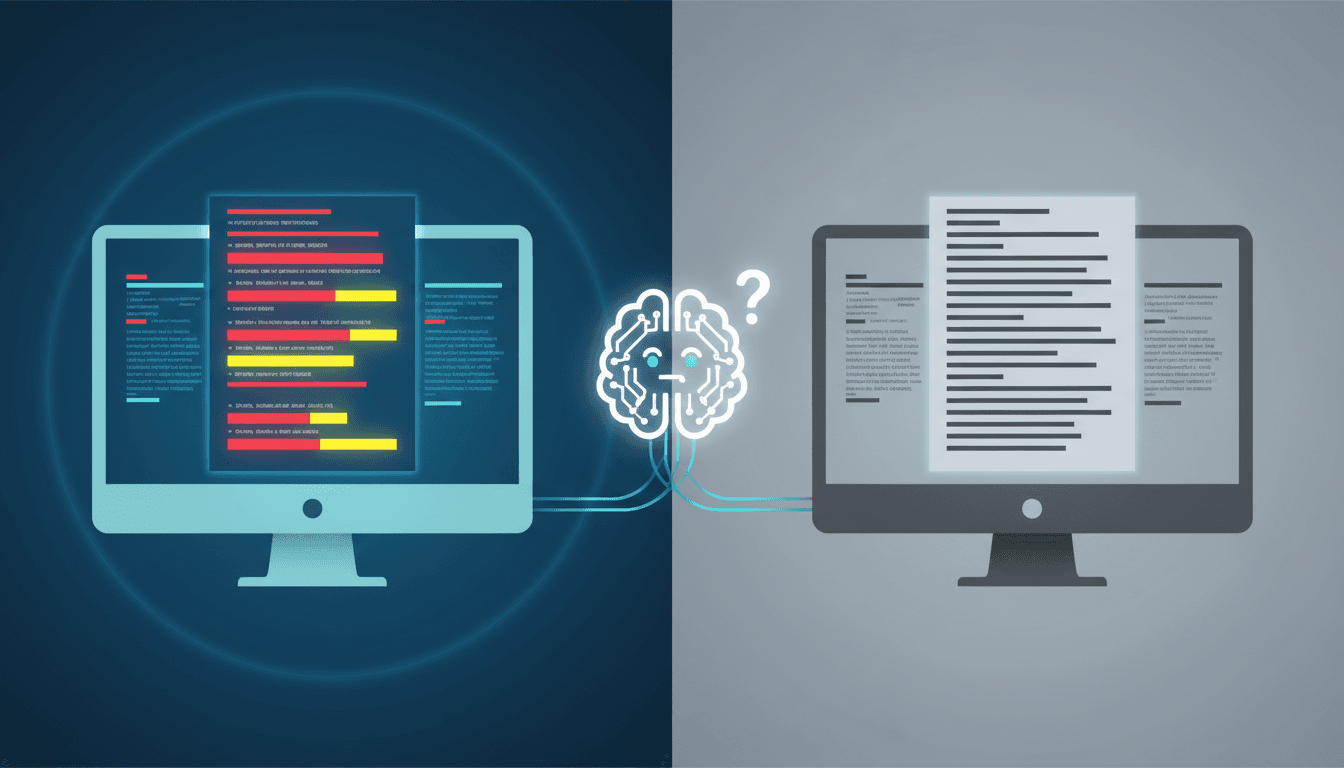
Your AI model flags a part as defective or predicts a machine failure. Your engineers spend hours digging through data trying to understand why. Your operators ignore the alert because they don't trust it. This costs you real money in preventable downtime, wasted materials, and missed efficiency gains every month.
What Researchers Discovered
Researchers built a system that solves this exact problem. It works like a detective with perfect access to all your company files. When your AI makes a decision, this system explains it in plain English by connecting two powerful tools.
First, it uses a Knowledge Graph—a structured database of your machines, processes, and past results. Think of it as a detailed company org chart for your factory floor. It knows Pump A-12 is connected to Valve B-7, which failed three times last year.
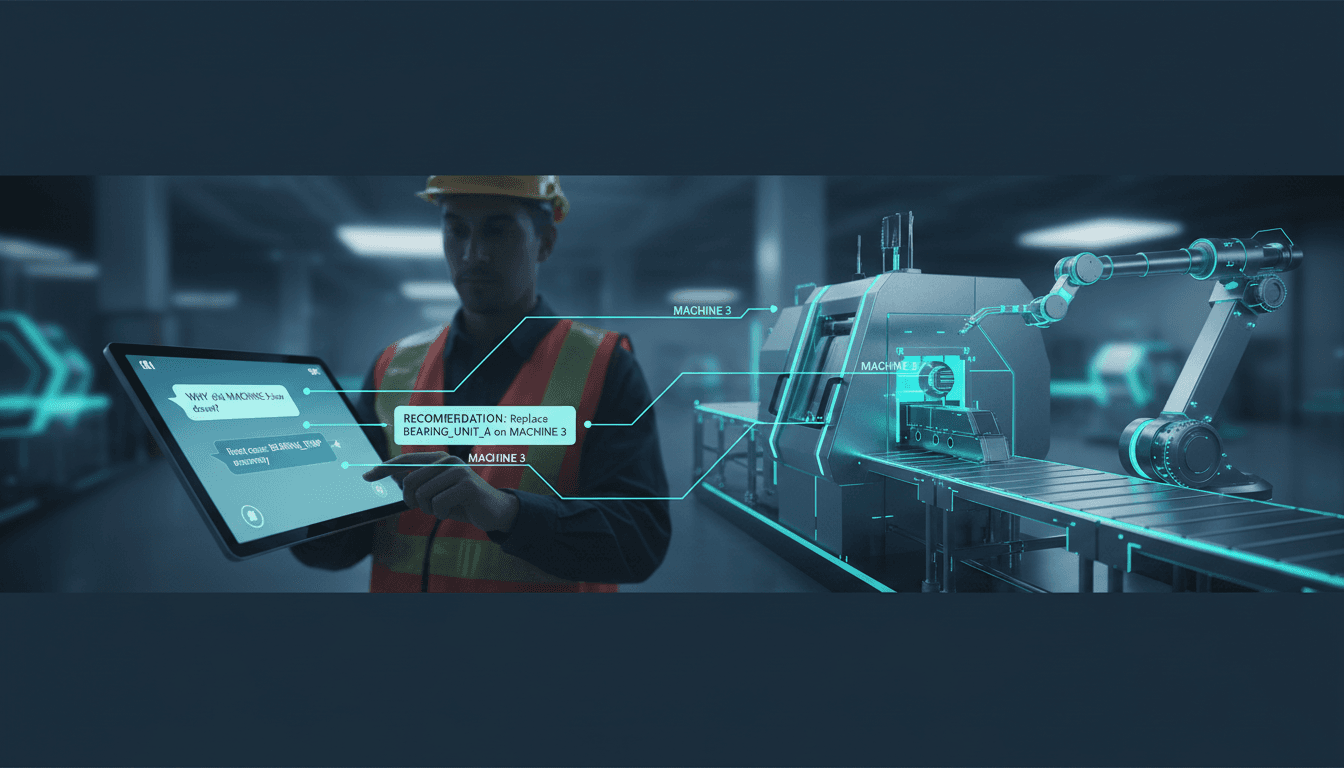
Second, it uses a Large Language Model (like ChatGPT) as a brilliant assistant. The LLM reads the Knowledge Graph and translates technical data into clear answers.
The system was tested with both technical and non-technical workers. Both groups found it helpful and understandable. Most importantly, it avoids making up facts by strictly using only your company's verified data.
You can read the full research here: Using Large Language Models and Knowledge Graphs to Improve the Interpretability of Machine Learning Models in Manufacturing.
How to Apply This Today
You don't need to wait for future technology. You can implement this approach starting next week. Here are five concrete steps to get results in 3-6 months.
Step 1: Pick One High-Value Process
Don't try to explain everything at once. Start with your most critical AI model—the one causing the most confusion or costing the most when ignored.
For example: Choose your predictive maintenance model for your main assembly line compressor. Or your visual inspection AI for circuit board soldering. The key is to focus where explanations will deliver immediate value.
Estimated effort: 1-2 weeks to select and document the process.
Step 2: Build Your First Knowledge Graph
A Knowledge Graph sounds complex, but start simple. Create a structured map of the machines, sensors, and historical events related to your chosen process.
Use these tools:
- Neo4j or Amazon Neptune for graph databases
- Apache AGE if you prefer open-source
- Microsoft Azure Digital Twins for IoT-focused graphs
For example: If explaining compressor failures, your graph should include:
- The compressor unit and its components
- Connected sensors (vibration, temperature, pressure)
- Maintenance history and past failure events
- Related production batches and quality reports
Team needed: 1 data engineer + 1 domain expert (maintenance engineer or process specialist). Timeline: 4-8 weeks for initial build.
Step 3: Connect to Your Existing AI Model
Your AI model already makes predictions. Don't rebuild it. Connect it to your Knowledge Graph so decisions can be traced back to relevant data points.
Implementation approach:
- Modify your AI pipeline to log each prediction with a unique ID
- Store relevant input features in your Knowledge Graph
- Create links between predictions and the equipment/sensors involved
For example: When your AI predicts Compressor-7 will fail in 48 hours, log the vibration readings that triggered the alert. Link this prediction to Compressor-7's node in your graph.
Step 4: Deploy the Chat Interface
Use an off-the-shelf LLM through an API. OpenAI's GPT-4, Anthropic's Claude, or open-source options like Llama 3 work well. The key is configuring it to only answer using your Knowledge Graph.
This is called Retrieval-Augmented Generation (RAG). It prevents the AI from inventing facts.
Setup steps:
- Choose an LLM provider based on your data privacy requirements
- Build a simple web interface or integrate with your existing dashboard
- Configure the system to search your Knowledge Graph before answering
For example: An operator types "Why did you flag batch #4512?" The system searches your graph for quality test results, machine settings, and similar past defects before generating an answer.
Step 5: Train Your Team and Measure Impact
Roll out to a pilot group of 3-5 engineers and 3-5 operators. Train them on how to ask effective questions.
Measure these metrics from day one:
- Time to diagnose an AI alert (before vs. after)
- Percentage of AI recommendations acted upon
- Reduction in preventable downtime or waste
For example: Track how long it takes to investigate a "predicted failure" alert. If it drops from 4 hours to 15 minutes, you've proven the value.
What to Watch Out For
This approach delivers real value, but be aware of three limitations:
1. The system doesn't create your Knowledge Graph automatically. Building the initial graph requires manual work by experts who understand your processes. Budget for this expertise.
2. It explains decisions but doesn't improve AI accuracy. If your underlying AI model is wrong, you'll get clear explanations of wrong decisions. Use the explanations to identify and fix model weaknesses.
3. The interface needs careful design. The research found the system sometimes overpromises on what it can do. Design your chat interface to clearly state its capabilities and limitations upfront.
Your Next Move
Start small. This week, identify one AI decision that regularly causes confusion on your factory floor. Document what information would make that decision trustworthy.
Then share this article with one engineer and one operator. Ask them: "If you could ask one question about our AI's decisions and get a reliable answer, what would it be?"
Their answers will give you the business case you need to begin.
What's the first AI decision you would explain if you could? Share your answer in the comments below—let's discuss which applications deliver the fastest ROI.
Comments
Loading...